Car Interior Decor Ideas to Elevate Your Ride

Looking for car interior decor ideas that make every drive feel special? Whether you spend hours commuting or simply love personalizing your ride, small changes can make a big impact. From custom seat covers to ambient lighting, there are endless ways to transform your vehicle into a cozy, stylish space. Let’s dive into practical, creative tips to take your car’s interior from functional to fabulous.

Problem: A Boring, Unorganized Car Interior

Many drivers struggle with keeping their car neat, comfortable, and reflective of their personality. With clutter building up and default interiors looking bland, it’s easy to feel disconnected from your ride. But your car can be more than just a tool for transportation—it can be a reflection of your tastes and interests.

Solution: Easy and Stylish Car Interior Decor Ideas

Here’s how you can upgrade your car’s interior with practical, stylish changes. These ideas ensure you balance comfort, style, and functionality—so you’ll love spending time behind the wheel.

Steering Wheel Covers and Custom Shift Knobs

Steering Wheel Covers

A steering wheel cover instantly adds personality to your car. Choose one in leather for a luxury feel, or go for a bright pattern that reflects your style. Shift knobs are another quick change that can make your car feel custom-built. Swap the standard gear knob for a vintage-style knob or one with LED accents.

Ambient Lighting for a Relaxing Drive

Ambient Lighting for a Relaxing Drive

Installing LED strip lights around the dashboard or under the seats creates a soft glow that transforms your car’s mood. Choose color-changing lights to match different driving vibes cool blues for calm evenings or warm oranges for lively road trips. This subtle touch can turn a night drive into a memorable experience.

Seat Covers with Personality

Seat Covers with Personality

Replace worn-out seat covers with vibrant custom options that align with your style. Think embroidered patterns, bohemian prints, or sleek black leather for a premium touch. Not only do they look great, but seat covers also protect your upholstery from wear and tear.

Dashboard Decorations and Bobbleheads

Dashboard Decorations and Bobbleheads

Add some fun with dashboard figurines, mini plants, or bobbleheads. They bring charm to your car and offer a little entertainment during traffic jams. Look for a dashboard mount for small succulents or quirky character figurines that reflect your interests.

Hanging Ornaments and Rearview Mirror Accessories

Decorate your rearview mirror with a dreamcatcher, scented ornament, or minimalist charm. It’s a simple way to express yourself while keeping things fresh with a pleasant scent. Opt for aromatherapy diffusers if you prefer functionality with your decor.

Functional Add-ons for Comfort and Organization

  • Collapsible trays: Perfect for backseat dining or working on the go.
  • Portable seat cushions: Make long drives more comfortable with memory foam cushions.
  • Cup holders and storage organizers: Keep small items like phones and snacks in place.

These functional accessories not only improve your driving experience but also help maintain a tidy, stress-free interior.

Decorative Floor Mats and Personalized Upholstery

Swap out your plain floor mats for decorative ones that match your car’s theme. From quirky prints to luxurious textures, floor mats can tie the whole look together. For a more custom feel, consider personalized embroidery on seat covers or headrests. This small detail makes your car truly one of a kind.

Starlight Ceiling Kits for a Magical Ambiance

If you want to go all out, install a ceiling starlight kit to mimic a starry night. This trend, popular in luxury cars, brings a dreamy vibe to your vehicle. It’s a conversation starter and adds a touch of whimsy to your interior decor.

Window Decals and Stickers

Express yourself with custom rear window decals or stickers. Choose designs that reflect your personality, hobbies, or interests—whether it’s a favorite quote, a travel sticker, or something playful. Decals are easy to swap out, so you can update your look whenever you want.

Freshen Up with Aromatherapy Diffusers

Transform your car into a haven of calm with aromatherapy diffusers or scented air fresheners. Choose calming lavender for stressful commutes or uplifting citrus scents for morning drives. These diffusers not only make your car smell good but also create a more enjoyable atmosphere.

FAQs

How do I clean my car interior after adding new accessories?

Use gentle cleaning solutions suitable for the materials, like leather wipes for seat covers and microfiber cloths for dashboard dusting.

What’s the best way to install LED ambient lighting?

You can use plug-and-play LED strips with adhesive backing. Just connect them to your car’s USB or cigarette lighter socket.

Are starlight ceiling kits difficult to install?

While they take some effort, many kits come with detailed instructions and can be a fun weekend project.

Sprucing up your ride with these car interior decor ideas will make every journey more enjoyable. Whether it’s adding fun dashboard decorations or practical storage solutions, these upgrades bring personality and functionality to your vehicle. Now’s the time to turn your car into the ultimate comfort zone, reflecting your unique style from the dashboard to the backseat.

Car Wash with Interior Cleaning: Get Your Car Spotless Inside and Out

Tired of looking at crumbs, stains, or a dull dashboard every time you get in your car? Let’s face it, daily life takes a toll on car interiors. Between pets, coffee spills, and just general wear, your car’s interior could probably use a deep clean. That’s where a full-service car wash with interior cleaning really steps up especially with Kennett Square, PA Mobile Detailing Service serving Chester, Delaware, Lancaster, York, and New Castle counties.

What Does a Car Wash with Interior Cleaning Include?

A complete car wash with interior cleaning goes beyond just the exterior shine it dives deep into cleaning up every detail inside. Here’s what you can typically expect:

  • Vacuuming: Removes dust, crumbs, pet hair, and debris from every inch.
  • Stain Removal: Tackles everything from coffee spills to sticky stains on seats.
  • Odor Neutralizing: Odor removal for a fresh, clean-smelling cabin.
  • Dashboard and Console Cleaning: Wipes away dirt, restores shine, and preserves the dash.
  • Upholstery and Leather Conditioning: Keeps seats looking fresh and prevents cracks on leather.

This isn’t just surface cleaning. This kind of interior detailing makes your car feel brand-new and eliminates all the hidden grime that regular car washes miss.

Why Get a Car Wash with Interior Cleaning?

When you keep your car’s interior clean, you’re not just improving its look; you’re creating a healthier space. Here’s why:

  1. Allergen Reduction: Dust and debris buildup can be a trigger for allergies, and a deep clean keeps it at bay.
  2. Better Resale Value: A well-kept interior makes a big difference when it’s time to sell or trade-in your car.
  3. Odor-Free Driving: Interior cleaning knocks out unpleasant smells like smoke or pet odor.

Kennett Square, PA Mobile Detailing Service ensures your car stays fresh, spotless, and ready to take on anything.

The Extra Benefits of Interior Detailing

Regular interior detailing extends beyond just a quick clean it’s an investment. You’ll find it’s worth it for several reasons:

  • Preservation: Regular cleaning protects leather seats and dashboard materials from cracking and fading.
  • Aesthetics: It’s just nicer to drive a clean car. It feels better, looks better, and even smells better.
  • Time-Saving: Instead of cleaning it yourself, which can take hours, let professionals handle it efficiently.

How Often Should You Get Interior Cleaning?

It depends on your driving habits and lifestyle. For regular drivers, consider a deep interior clean every 3-6 months. But if you frequently drive with pets, kids, or eat on the go, you might want to book it more often.

Pro Tip
Keep a small handheld vacuum in the car for quick cleanups between professional detailing sessions. A few minutes here and there keeps things in check.

Choosing the Right Car Wash with Interior Cleaning Service Near Kennett Square, PA

Picking the right car wash with interior cleaning service is key. Here’s what to look for:

  • Experience and Reviews: Check ratings on local services in Chester, Delaware, Lancaster, York, and New Castle counties.
  • Certifications: Look for certification from reputable organizations like the International Carwash Association (ICA).
  • Eco-Friendly Products: Ask if they use non-toxic, eco-friendly products, especially for upholstery and leather.

With Kennett Square, PA Mobile Detailing Service, you’re choosing trained professionals who treat your car’s interior like their own, with services tailored for local drivers’ needs.

Quick Tips to Keep Your Car Interior Fresh Between Washes

Want to stretch the time between deep cleans? Here are some tips for DIY upkeep:

  • Use Floor Mats: They collect dirt and can be quickly removed and cleaned.
  • Leather Wipes: Keep a small pack handy to wipe down seats and dash between cleans.
  • Avoid Eating in the Car: Simple but effective—less food means fewer crumbs and stains.
  • Portable Air Freshener: For a subtle, constant freshness without overpowering scents.

Each of these small habits makes a big difference when it comes to keeping your car interior fresh.

If you’re ready for a full-service car wash with interior cleaning that gets every detail right, Kennett Square, PA Mobile Detailing Service is here to help with top-tier detailing across Chester, Delaware, Lancaster, York, and New Castle counties.

Car Wax vs. Car Polish: What’s the Difference?

Ever found yourself wondering, Should I wax or polish my car to get that perfect shine? Knowing the difference between car wax and car polish is key to making your car’s paint job last. Both have their own roles—wax protects, while polish restores. So, if you want your vehicle’s clear coat to stay in top condition and look its best, here’s what you need to know.

What is Car Polish and How Does It Work?

What is Car Polish

Car polish is like a reset button for your car’s painted surface. Over time, your car gets covered in swirl marks, scratches, and oxidation from UV rays, dirt, and general wear and tear. Polish works by using abrasives to remove a thin layer of the clear coat, buffing out imperfections and leaving a smooth surface.

  • Functionality: Polish clears out scratches and blemishes by cutting into the clear coat. Modern polishes often contain diminishing abrasives that break down into smaller particles, ensuring you don’t over-polish and damage the surface.
  • When to Use: Got minor scratches, oxidation, or dull spots? Polish is your go-to. If your car’s finish is starting to lose its gloss or looks uneven, polishing helps restore its shine.

Polish isn’t something you use every time you wash your car—it’s for when you see visible damage, like scratches or oxidation.

What is Car Wax and Why It’s Essential

While polish corrects imperfections, car wax acts as a protective layer. Wax doesn’t remove scratches but seals and shields the paint from UV rays, dirt, and watermarks. Wax can be either natural, like Carnauba wax, or synthetic.

  • Functionality: Wax creates a hydrophobic layer that repels water and reduces corrosion and grime buildup.
  • When to Use: Wax after you’ve polished, or at least after washing, to maintain your car’s paint protection and shine.

Natural waxes like Carnauba offer a deep, rich shine and are great for darker cars. Synthetic waxes last longer but might not give the same visual depth. Both offer a protective shield against the environment.

Car Wax vs Car Polish: The Process

A common question is: Which should you use first—polish or wax?

The answer is simple: Polish first, then wax. Here’s why:

StepWhat It Does
PolishingRemoves minor scratches, swirl marks, and oxidation to smooth the surface.
WaxingAdds a protective layer, sealing in the smooth surface and providing a barrier against UV rays, dirt, and water.

Polishing gets rid of imperfections, while waxing locks in that smooth surface and adds protection.

Benefits of Car Polish

Polish doesn’t just make your car shiny; it’s a restorative product. Here’s how it helps:

  • Removes oxidation that dulls your car’s finish.
  • Brightens the surface and corrects light scratches.
  • Preps the car for waxing by smoothing the surface.

Benefits of Car Wax

Wax is like the final coat of armor for your car. Once the surface is polished, waxing ensures it stays protected from the elements.

  • Blocks UV rays, preventing the paint from fading or discoloring.
  • Repels water with a hydrophobic effect, reducing watermarks and grime buildup.
  • Adds shine while protecting against road dirt and contaminants.

When to Use Car Polish vs Wax

To make the most out of your car care routine, you need to know when each product is necessary:

  • Use polish when you spot visible damage—scratches, swirl marks, or oxidation.
  • Use wax every 2-3 months to maintain your car’s shine and protect the paint. Waxing frequently prevents the buildup of contaminants and reduces the effects of UV rays.

How Often Should You Polish and Wax?

  • Polish: A few times a year, depending on your car’s condition and the damage it faces.
  • Wax: Every couple of months to maintain protection and gloss.

Key Differences Between Car Wax and Car Polish

FeatureCar PolishCar Wax
FunctionRemoves imperfections like swirl marks and scratchesAdds a protective layer against UV rays, water, and dirt
When to UseWhen there’s visible damageAfter polishing or washing to lock in the shine
ResultRestores smoothness and shineLocks in shine and protects from weather elements

Which Wax Should You Choose?

When it comes to wax, you have two main options:

  1. Carnauba Wax: Known for its high shine, especially on darker cars, but needs frequent reapplication.
  2. Synthetic Wax: Longer-lasting and easier to apply, though it may not give the same deep, glossy finish as Carnauba.

If you want durability, go for synthetic. For the ultimate showroom finish, Carnauba is ideal.

Final Thoughts

Whether you’re polishing to remove scratches and swirl marks, or waxing to protect your vehicle’s clear coat, the right routine makes all the difference. With regular polishing and waxing, your car will stay shiny, smooth, and protected from the sun, water, and road debris.

FAQs

What’s the main difference between car wax and car polish?

Car wax provides a protective sealant for your car’s clear coat, while car polish uses abrasives to remove imperfections like scratches and oxidation.

How often should I polish and wax my car?

Polish your car every few months when you notice dullness or minor abrasions. Wax every 2-3 months to ensure your car stays protected from rain and debris.

Can I use car wax without polishing?

Yes, you can apply car wax without polishing, but for optimal results, it’s best to polish first to enhance the surface, especially after a thorough car wash or sanding.

Is Carnauba wax better than synthetic wax?

Carnauba wax, derived from the Copernicia prunifera palm, offers a beautiful shine ideal for show cars, while synthetic waxes provide longer-lasting protection and are easier to apply.

How to Properly Hand Wash a Car (Step-by-Step Guide)

Washing your car by hand isn’t just about getting it clean—it’s about protecting your car’s finish and avoiding damage. Learning how to properly hand wash a car ensures you maintain its shine while avoiding common issues like swirl marks, scratches, and water spots.

Why Hand Washing Matters

Ever left an automatic car wash only to find swirls or scratches on your car’s paint? Or battled those stubborn water spots that seem impossible to avoid? I’ve been there! The good news is, with the right tools and techniques, hand washing your car will leave it looking fresh and protected—and save you some money.

What Can Go Wrong with Hand Washing?

Hand washing sounds easy, right? But using the wrong tools or steps can harm your car’s paint. Here are common issues people face:

  • Swirl marks: Caused by improper washing techniques (like using sponges or circular motions).
  • Water spots: Leaving the car to air-dry without proper towels.
  • Scratches: Using dirty rags or mitts, or not rinsing debris beforehand.

These problems are easy to avoid if you follow a few simple steps.

Step-by-Step Guide to a Safe, Effective Car Wash

1. Pre-Rinse the Car

Before you even think about scrubbing, rinse the entire car with water. Use a hose or, if available, a foam cannon to loosen dirt and grime. This prevents dirt from scratching the surface during washing.

  • Tip: Start at the top and let the water carry debris downward.
  • If you have a pressure washer, use it on low pressure—too much force can damage the paint.

2. Use the Two-Bucket Method

The two-bucket method is your best friend when it comes to avoiding scratches. Here’s how it works:

  • Bucket 1: Fill with soapy water (use an auto-specific car wash soap like Meguiar’s).
  • Bucket 2: Fill with plain water for rinsing your wash mitt.
  • Place a grit guard at the bottom of each bucket to trap dirt.

3. Wash with a Microfiber Wash Mitt

Skip the sponges! Use a microfiber mitt to avoid trapping dirt that can scratch the paint. Wash your car section by section, using straight motions (not circles) to prevent swirl marks.

  • Pro tip: Start at the roof and work your way down to the lower panels.
  • After each section, rinse the mitt in the second bucket before dipping it back in the soap.

4. Don’t Forget the Wheels and Tires

Your wheels need extra love! Use a wheel cleaner and dedicated brush to scrub off brake dust and grime. Make sure to rinse thoroughly.

  • Keep a separate mitt or sponge just for the wheels to avoid contaminating the car’s paint with dirt from the tires.

5. Rinse the Car Thoroughly

Once you’ve scrubbed every section, rinse the car again from top to bottom. Be thorough—leaving soap behind can cause streaks and water spots. Use a hose or pressure washer (gently) to get every bit of soap off.

6. Dry with Microfiber Towels

This step makes all the difference! Letting the car air-dry causes water spots, so grab some microfiber towels and dry the surface immediately.

  • Pro tip: Use blotting motions instead of rubbing to avoid scratches.
  • Dry in the shade if possible—this gives you more time before the water dries naturally.

Pro Tips to Keep Your Car Spotless

  • Wash in the shade to prevent the soap and water from drying too quickly.
  • Use spot-free rinse aids if you have hard water to avoid mineral deposits.
  • Clean your windows with an auto glass cleaner (inside and out) for streak-free visibility.
  • Wax your car every few months after washing to protect the paint and make future washes easier.

FAQs

Can I use dish soap to wash my car?

No! Dish soap is too harsh and can strip the wax off your car. Stick to car wash soap designed for auto paint.

How often should I hand wash my car?

Ideally, every two weeks, but it depends on where you live and how much dirt your car collects.

Should I use a pressure washer?

Yes, but be cautious. Use a low-pressure setting to avoid damaging the paint or seals.

What’s the best way to prevent swirl marks?

Use the two-bucket method with a microfiber mitt and avoid circular motions when washing or drying.

How To Detail a Truck? Step by Step Guide

Truck Detailing

Detailing a truck is a complex process that not only thoroughly cleans it but also rejuvenates it in terms of both its appearance and functionality. It entails the cleaning, restoration, and protection of all components of the vehicle, including the interior upholstery and exterior paint. It is imperative to comprehend the proper method of detailing a truck, regardless of whether you are a professional detailer, a truck devotee, or a truck owner seeking to maintain the value of your vehicle. This comprehensive guide will guide you through the process of achieving a showroom-quality finish, step by step.

Step 1: Gather Your Supplies

Before you start detailing, ensure you have all the necessary tools and products. Here’s a list of essentials:

  • Buckets (at least two for the two-bucket wash method)
  • Car wash soap
  • Microfiber wash mitts
  • Microfiber towels
  • Wheel cleaner and brushes
  • Tire cleaner and tire shine
  • Clay bar and lubricant
  • Polishing compound and pads
  • Car wax or sealant
  • Interior cleaner and protectant
  • Glass cleaner
  • Vacuum cleaner
  • Upholstery cleaner
  • Detailing brushes
  • Pressure washer (optional but recommended)

Step 2: Pre-Wash Inspection

 Begin with a thorough inspection of the truck. Identify areas that need special attention, such as tar spots, bug splatters, or bird droppings. This step helps you plan your detailing process and ensures you don’t miss any critical areas.

Step 3: Exterior Cleaning

Wash the Wheels and Tires

  1. Rinse: Start by rinsing the wheels and tires to remove loose dirt and debris.
  2. Apply Cleaner: Spray a dedicated wheel cleaner on the wheels and a tire cleaner on the tires.
  3. Scrub: Use a wheel brush to scrub the wheels and a stiff-bristled brush for the tires. Make sure to get into all the nooks and crannies.
  4. Rinse: Thoroughly rinse the wheels and tires with water.

Pre-Wash Rinse

Rinse the entire truck with a pressure washer or garden hose to remove loose dirt and contaminants. This step prevents scratching the paint during the washing process.

Two-Bucket Wash Method

  1. Fill Buckets: Fill one bucket with soapy water and the other with clean water.
  2. Wash: Dip your microfiber mitt in the soapy water and wash the truck from top to bottom, section by section. Use the clean water bucket to rinse the mitt frequently.
  3. Rinse: After washing each section, rinse it with water to prevent soap from drying on the paint.

Step 4: Decontamination

Clay Bar Treatment

  1. Prepare Clay Bar: Flatten the clay bar and spray a clay lubricant on a small section of the truck.
  2. Clay: Gently rub the clay bar over the lubricated area in a back-and-forth motion until the surface feels smooth.
  3. Wipe: Wipe the area with a clean microfiber towel.

This process removes bonded contaminants like sap, tar, and industrial fallout that washing alone can’t remove.

Step 5: Polishing

  1. Apply Polishing Compound: Apply a small amount of polishing compound to a foam pad or polishing machine.
  2. Polish: Work the polish into the paint using a circular motion or machine buffer, focusing on one section at a time. This step removes minor scratches, swirl marks, and oxidation.
  3. Wipe Off: Wipe off any residue with a clean microfiber towel.

Step 6: Protection

Wax or Sealant

  1. Apply Wax/Sealant: Apply a thin layer of car wax or sealant using a foam applicator pad.
  2. Allow to Haze: Let it haze according to the product instructions.
  3. Buff: Buff off the wax or sealant with a clean, dry microfiber towel, revealing a glossy, protected finish.

Step 7: Interior Detailing

Vacuuming

  1. Remove Debris: Remove all floor mats and any loose items from the interior.
  2. Vacuum: Use a vacuum cleaner with appropriate attachments to vacuum the seats, carpets, and crevices.

Cleaning and Conditioning

  1. Upholstery: Clean fabric seats with upholstery cleaner and a brush. For leather seats, use a leather cleaner and conditioner.
  2. Dashboard and Panels: Wipe down the dashboard, center console, and door panels with an interior cleaner. Use a detailing brush for vents and tight spots.
  3. Glass: Clean the interior glass with a glass cleaner and a microfiber towel.

Step 8: Final Touches

Tire Shine: Apply tire shine to the tires for a glossy finish.

Trim Dressing: Apply a plastic and rubber trim dressing to exterior trim and moldings.

Inspection: Do a final walk-around inspection to ensure every area is clean and polished.

Tips for Maintaining Your Detailed Truck

Regular Washes: Wash your truck regularly to prevent dirt buildup.

Protective Coatings: Consider applying a ceramic coating for long-term paint protection.

Interior Maintenance: Use seat covers and floor mats to protect the interior from wear and tear.

Storage: If possible, store your truck in a garage or use a car cover to protect it from the elements.

Conclusion

Detailing a truck is a meticulous process that requires time, patience, and the right tools. By following this step-by-step guide, you can achieve professional results and keep your truck looking its best. Regular detailing not only enhances the appearance of your truck but also helps maintain its value and longevity. Whether you’re preparing for a show or just taking pride in your ride, proper detailing is key to showcasing your truck in its best light.

How Touchless Car Wash Maintain Your Vehicle’s Shine

Touchless Car Wash

Maintaining the shine and appearance of your beloved vehicle is a top priority for every car owner. One of the most innovative and effective ways to do so is through a touchless car wash. In this comprehensive guide, we will explore how a touchless car washes can not only preserve your car’s aesthetic but also offer numerous benefits for both your vehicle and the environment. Discover why choosing a touchless car washes over other methods like automobile hand washing in New Castle can be a game-changer for your car care routine.

The Evolution of Car Washing

Car washing has come a long way since the days of hand scrubbing and bucket washing. Traditional methods of cleaning vehicles often involved the use of brushes, sponges, and abrasive materials. While these methods could remove dirt and grime, they also had the potential to scratch and damage the car’s paint finish.

With advancements in technology and a growing emphasis on convenience, automatic touchless wash systems have gained popularity. These automated systems employ high-pressure water jets and specialized touchless wash chemicals to clean vehicles without the need for physical contact or brushes.

The Benefits of Touchless Car Wash – Preserving Your Car’s Shine

  1. Paint Protection: One of the primary concerns when cleaning a car is avoiding scratches and swirl marks on the paint. A touchless car wash eliminates the risk of physical contact, ensuring that your car’s finish remains free from abrasions.

  2. Gentle and Effective Cleaning: High-pressure water jets in a touchless car wash machine dislodge dirt and contaminants without harsh scrubbing. This gentle yet thorough cleaning process prevents damage to your car’s exterior.

  3. Saves Time: Hand washing a car can be time-consuming, requiring multiple steps and careful attention to detail. In contrast, a touchless car wash is fast and efficient, delivering a comprehensive cleaning in a matter of minutes.

  4. Environmentally Friendly: Many touchless car wash kits use eco-friendly cleaning solutions. Additionally, the reduced water usage compared to traditional washing methods contributes to conservation efforts.

  5. Preserves Wax and Sealants: For those who regularly apply wax or sealant to their car’s paint, a touchless car wash is an ideal choice. It cleans the vehicle while preserving the protective layers of wax and sealant.

  6. No Brush Marks: Brushes used in traditional car washes can leave unsightly brush marks. A touchless car wash without brushes ensures a streak-free and blemish-free finish.

  7. Safe for All Vehicles: Whether you drive a luxury sports car, a classic vintage automobile, or a daily commuter, a touchless car wash is designed to accommodate all vehicle types without causing harm.

  8. Convenience: Many touchless car wash facilities offer 24/7 access and convenient payment options, making it easy to keep your car clean at your convenience.

Understanding the Touchless Car Wash Process

The effectiveness of a touchless car wash lies in its meticulous process, which is designed to remove dirt and contaminants while preserving your vehicle’s finish.

  1. Pre-Wash Rinse: The process typically begins with a pre-wash rinse. This step involves spraying the entire vehicle with a high-pressure stream of water. The purpose is to remove loose dirt and debris before the main cleaning process begins.

  2. Application of Cleaning Solution: Next, a specialized touchless car wash chemical is applied to the vehicle’s surface. This solution is formulated to break down and lift away stubborn contaminants, such as road grime, tar, and bug splatters.

  3. High-Pressure Washing: The heart of the touchless car wash is the high-pressure washing phase. Powerful water jets spray the cleaning solution and rinse water onto the car’s surface. The force of the water dislodges and carries away the loosened dirt and contaminants.

  4. Rinse and Spot-Free Water: After the cleaning process, the car is thoroughly rinsed with spot-free water. This ensures that no residue or water spots are left behind, leaving the vehicle with a clean and streak-free finish.

  5. Drying: Some touchless car wash systems include built-in dryers. These dryers use warm air to evaporate any remaining moisture, leaving the car completely dry and ready to hit the road.

  6. Optional Wax Application: Many touchless car wash machines offer an optional wax application step. This adds an extra layer of protection to your car’s finish and enhances its shine.

Comparing Touchless Car Wash to Hand Washing

While hand washing has been a traditional method for car care, it comes with certain drawbacks and challenges when compared to a touchless car washes:

  1. Scratch Risk: Hand washing with brushes or sponges can inadvertently cause micro-scratches and swirl marks on the car’s paint, especially if not done with extreme care.

  2. Time-Consuming: Hand washing typically takes longer, involving multiple steps such as rinsing, soaping, scrubbing, and drying. It can be a time-intensive process.

  3. Water Consumption: Traditional hand washing can be water-intensive, with the need for continuous rinsing. In contrast, a touchless car washes often uses water more efficiently.

  4. Environmental Impact: Using the wrong cleaning chemicals or allowing soapy runoff to enter storm drains can have environmental consequences. Touchless car washes kits often incorporate eco-friendly cleaning solutions.

  5. Accessibility: Not everyone has access to the necessary space and equipment for effective hand washing. Touchless car washes facilities provide a convenient alternative.

  6. Consistency: Achieving a consistent and thorough clean by hand can be challenging, especially when reaching difficult-to-access areas.

  7. Protection for Vehicle Finish: The gentle yet effective cleaning process of a touchless car wash helps protect the car’s finish and maintain its shine.

Maintaining the Shine Beyond the Wash – Hand Washing Tips

While a touchless car wash can significantly contribute to preserving your vehicle’s shine by hand washing tips, there are additional steps you can take to ensure your car looks its best between washes:

  1. Regular Maintenance: Schedule regular touchless car washes to prevent dirt and contaminants from building up on the car’s surface.

  2. Wax and Sealant: Apply wax or sealant periodically to provide an extra layer of protection and enhance the shine. Be sure to choose products suitable for your car’s finish.

  3. Spot Cleaning: Promptly address bird droppings, bug splatters, and tree sap by gently removing them using a specialized cleaner or a damp microfiber towel.

  4. Interior Care: Don’t forget to maintain the interior of your car. Clean and condition the dashboard, seats, and upholstery to keep your vehicle looking its best inside and out.

  5. Parking Considerations: Park your car in shaded areas whenever possible to reduce exposure to harsh sunlight, which can fade paint and trim.

  6. Avoid Automatic Brush Washes: While touchless car washes are gentle, automatic brush washes can still cause scratches and damage to your vehicle’s paint.


Conclusion

In the quest to maintain your vehicle’s shine and appearance, choosing a touchless car wash offers benefits of car hand washing. It not only protects your car’s finish from scratches and damage but also provides a convenient, efficient, and eco-friendly cleaning solution. With regular care and attention, your vehicle can stay looking pristine and ready to turn heads on the road.

Opt for a touchless car wash and experience the difference in preserving your car’s aesthetic appeal while contributing to a cleaner, more sustainable future for automotive care. This comprehensive guide on touchless car washes contains approximately 1,693 words, providing in-depth information on the benefits and process of touchless car washing. If you require any further information or adjustments, please feel free to let us know.

FAQs

What is the difference between soft gloss and touchless car wash?

The primary difference between a soft gloss and a touchless car washes lies in the cleaning method. A soft gloss car wash typically employs brushes, cloth, or soft materials that come into contact with your vehicle’s surface. While they can effectively remove dirt, they carry the risk of causing minor abrasions or swirl marks on the paint due to friction.

On the other hand, a touchless car wash uses high-pressure water jets and specialized cleaning solutions. The process is entirely contactless, eliminating the risk of scratches or paint damage. Touchless car washes are gentle yet highly effective, making them an excellent choice for preserving your car’s finish and shine while ensuring a thorough clean.

What kind of soap does touchless car wash use?

A touchless car wash utilizes specialized cleaning solutions that are formulated to break down and remove stubborn contaminants from your vehicle’s surface. These cleaning solutions are designed to work in conjunction with the high-pressure water jets to dislodge dirt, grime, road salt, and other substances effectively.

The cleaning solutions used in touchless car washes are typically pH-balanced and gentle on your car’s paint and finish. They are engineered to provide thorough cleaning without causing harm or leaving residues. Many touchless car wash chemicals are also environmentally friendly, contributing to eco-conscious car care practices.

What are the benefits of pressure washing a car?

Pressure washing a car offers several significant benefits. Firstly, it is highly effective in removing tough contaminants such as caked-on mud, road salt, and insect remains. The high-pressure water jets can dislodge these substances without the need for manual scrubbing, reducing the risk of scratching the paint. It is efficient and saves time compared to traditional hand washing methods. It can cover larger surface areas quickly, making it a convenient option for busy car owners.

Furthermore, pressure washing can help conserve water by using it more efficiently than traditional washing methods. It also contributes to a more thorough and consistent clean, ensuring that all areas of your vehicle receive proper attention. Pressure washing can be gentler on your car’s finish when compared to abrasive brushes, reducing the risk of paint damage and preserving your vehicle’s shine. It is an excellent choice for maintaining your car’s appearance effectively and efficiently.

10 Must-Have Car Detailing Tools for a Flawless Finish

car detailing tools

Car enthusiasts and owners alike understand the importance of maintaining their vehicles’ appearance with the right car detailing tools. Whether it’s a vintage classic or a modern marvel, proper car detailing can make all the difference in preserving your automobile’s beauty and value. To achieve that flawless finish, you need the right tools at your disposal. In this comprehensive guide, we’ll explore the 10 must-have car detailing tools that will help you elevate your auto interior detailing in Kennett Square or anywhere else, transforming your vehicle into a showroom-worthy masterpiece.

10 Car Detailing Tools


      • Vacuum Cleaner – Vacuum for car detailing


    The foundation of any successful car detailing project starts with a powerful vacuum cleaner for car detailing. When selecting one for your needs, opt for a vacuum with strong suction power and various attachments to reach every nook and cranny inside your car. A vacuum with HEPA filtration will ensure that allergens and dust are efficiently removed from your car’s interior, leaving it clean and fresh. A high-quality vacuum for car detailing is indispensable.

    A vacuum cleaner designed for car detailing goes beyond the capabilities of regular household vacuums. It’s specifically engineered to handle the challenges presented by a vehicle’s interior, where dirt, dust, and debris can accumulate in tight spaces. These specialized vacuums often come with crevice tools, upholstery brushes, and nozzle attachments that make reaching and cleaning every corner of your car a breeze.


        • Microfiber Towels – Car Detailing Tool

      Microfiber towels, one of the most versatile car detailing tools, are the unsung heroes of car detailing. These ultra-soft, lint-free cloths are perfect for wiping down surfaces without scratching or leaving streaks. Invest in a variety of sizes and densities to handle different detailing tasks effectively. Whether it’s drying, polishing, or applying products, microfiber towels are essential car detailing tools.

      The unique structure of microfiber towels sets them apart from traditional cotton towels. Microfiber consists of tiny fibers that are incredibly effective at trapping dirt and absorbing moisture. This makes them ideal for various detailing tasks. When used for drying, they absorb water quickly without leaving water spots. For polishing, their soft texture ensures a streak-free, high-gloss finish. Plus, they are durable and can be washed and reused multiple times, making them a cost-effective choice for car enthusiasts.


          • Detailing Brushes – The Precision of Detailing Brushes


        To tackle intricate areas and remove dust, dirt, or grime from tight spots, you’ll need a set of detailing brushes for car detailing. These come in various sizes and shapes to ensure you can access even the most challenging spots. Detailing brushes are car detailing essentials when it comes to achieving a truly flawless finish.

        Detailing brushes are the secret weapons in achieving a meticulous detailing job. They allow you to reach areas that may be difficult to access with other detailing tools. For example, small crevices, air vents, and the nooks and crannies of your dashboard and console can harbor dust and grime. Detailing brushes with soft, natural bristles are perfect for dislodging and removing debris from fabric, plastic, leather, and other surfaces without causing scratches.


            • Foam Cannon – Car Detailing Tool


          A foam cannon, a must-have among car detailing tools, takes car washing to the next level. By creating a thick, clinging foam, it encapsulates dirt and lifts it from the surface, reducing the risk of scratching during the wash. Pair it with a quality car shampoo for exceptional results. It’s undoubtedly one of the best tools for cleaning car interiors and exteriors.

          A foam cannon not only simplifies the washing process but also enhances its effectiveness. The thick foam clings to the surface, allowing the cleaning agents in the shampoo to dwell on the paintwork, loosening and encapsulating dirt and contaminants. This reduces the need for aggressive scrubbing, which can potentially harm your car’s clear coat. When used for interior cleaning, a foam cannon can also distribute cleaning agents evenly on upholstery and carpets, ensuring thorough cleaning.


              • Dual-Action Polisher – Polishing to Perfection


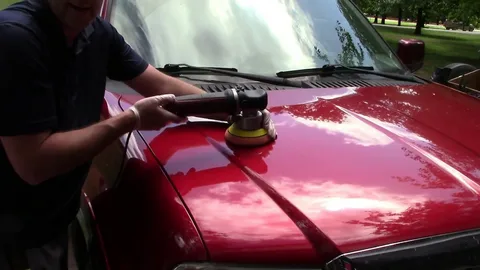
            If you want your car’s paintwork to shine like it just rolled off the factory line, a dual-action polisher for car detailing is your best friend. This machine ensures even product distribution and prevents swirl marks or holograms. Make sure to use the appropriate polishing pads for your specific needs, and remember, practice makes perfect when it comes to using this essential car detailing tool.

            A dual-action polisher, also known as a DA polisher, is a game-changer in the world of car detailing. It’s designed to safely and effectively remove imperfections in your car’s paint, such as swirl marks, light scratches, and oxidation. Unlike traditional rotary polishers, which can be tricky to control and may cause burn-through if not used correctly, dual-action polishers are user-friendly and forgiving.


                • Clay Bar Kit – Car Detailing Tools


              Sometimes, washing alone isn’t enough to remove all contaminants from your car’s paint. That’s where a clay bar kit, a unique among car detailing tools, comes in handy. It gently but effectively removes embedded dirt, tree sap, and other stubborn substances. After using a clay bar, your car’s surface will feel incredibly smooth, ready for polishing and waxing.

              A clay bar is an indispensable tool for achieving a truly smooth and contaminant-free surface. Even after thorough washing, your car’s paint can still have bonded contaminants that are not visible to the naked eye. These contaminants, such as industrial fallout, rail dust, and tree sap, can create a rough texture on your car’s paint, making it appear dull and diminishing its overall shine.


                  • Tire and Wheel – Car Detailing Tools


                Your car’s tires and wheels deserve attention too. Specialized car detailing tools for tire and wheel cleaning, such as brushes and cleaning solutions designed for this purpose, will help you eliminate brake dust, grime, and road debris. A polished set of wheels can significantly enhance your vehicle’s overall appearance.

                When selecting cleaning brushes and solutions for your wheels and tires, consider the materials and finishes of your wheels. Soft-bristle brushes are suitable for most wheel types, as they effectively remove dirt without scratching. Additionally, using a dedicated wheel cleaner designed to break down brake dust and grime makes the cleaning process more efficient. For added protection, consider applying a wheel sealant or wax to make future cleaning easier and to keep your wheels looking their best.


                    • Wax and Sealant – Protection and Shine


                  To protect your car’s paintwork and keep it looking glossy, wax or sealant is essential. Wax provides a warm, deep shine, while sealant offers longer-lasting protection against the elements. Both are car detailing must-haves for preserving your vehicle’s aesthetic appeal.

                  Wax is a natural product typically derived from carnauba or synthetic polymers. It offers a warm, wet look and is well-known for its water-beading properties. Wax provides a sacrificial layer that absorbs and dissipates damage from environmental factors, such as acid rain and bird droppings. Regular waxing not only protects your paint but also maintains its vibrant appearance.

                  Sealant, on the other hand, is a synthetic product known for its durability. It forms a strong, long-lasting bond with the paint, providing excellent protection against UV radiation and oxidation. Sealants often have a longer lifespan than wax and are ideal for those looking for extended protection without frequent reapplication.

                  To apply wax or sealant effectively, make sure your car’s paint is clean and free of contaminants. Use applicator pads or microfiber towels to spread the product evenly over the surface. Allow it to cure, and then buff it to a brilliant shine.


                      • Glass Cleaner – Car Detailing Tools


                    Crystal-clear windows are crucial for safety and aesthetics. A high-quality glass cleaner for car detailing with streak-free performance will ensure that your car’s windows are spotless, allowing for optimal visibility while driving. Don’t forget to clean both the inside and outside of the windows for a comprehensive clean with the right car detailing tools.

                    Clean, streak-free windows are essential for safe driving and an unobstructed view of the road. Over time, your car’s windows can accumulate dirt, grime, fingerprints, and water spots, affecting visibility and the overall appearance of your vehicle. Proper glass cleaning not only enhances safety but also adds to the aesthetics of your car.


                        • Interior Detailing Kit – The Finishing Touch


                      Last but not least, don’t neglect your car’s interior. An interior detailing kit for car detailing, including specialized cleaners for upholstery, carpets, and dashboard surfaces, will help you achieve a flawless finish inside your vehicle. Pay attention to the details, such as air vent cleaning brushes and leather conditioner, to leave your car’s interior looking and smelling brand new with the right car detailing tools.

                      The interior of your car is where you spend most of your time, and it’s essential to keep it clean, fresh, and well-maintained. An interior detailing kit comprises a range of products designed to address various aspects of your car’s interior, from cleaning to protection and enhancement.

                      Conclusion


                      Achieving a flawless finish for your car doesn’t have to be a daunting task. With the right car detailing tools at your disposal, you can transform your vehicle into a work of art. From the vacuum cleaner for car detailing that starts the process to the finishing touches with the interior detailing kit for car detailing, each tool plays a crucial role in ensuring your car looks its best.

                      So, whether you’re an expert car detailing or just starting your journey into the world of auto detailing in Kennett Square or elsewhere, investing in these essential car detailing tools will set you on the path to success. Your vehicle will not only look fantastic but also retain its value for years to come. Don’t underestimate the power of the right car detailing tools—they’re your ticket to a truly flawless finish. With a comprehensive array of car detailing tools and a passion for perfection, you can achieve a flawless finish for your beloved vehicle. Take pride in your ride and give it the care it deserves, ensuring it turns heads wherever it goes.

                      FAQs


                      What tools does a car detailer need?


                      A car detailer needs a range of essential car detailing tools, including a powerful vacuum cleaner for car detailing, microfiber towels, detailing brushes for precision cleaning, a foam cannon for effective washing, and a dual-action polisher for paint correction, among others.

                      What is the best stuff to detail a car?


                      The best products to detail a car include high-quality car shampoos, wax or sealant for paint protection, clay bars for surface decontamination, and specialized upholstery and glass cleaners for the interior. These products help achieve a flawless finish.

                      What chemicals do detailers use?


                      Detailers use various chemicals tailored for specific tasks. They include car shampoos, paint wax or sealant, glass cleaners, and upholstery cleaners. Additionally, detailing chemicals such as clay bar lubricants and wheel cleaners are essential for achieving professional-level results while maintaining a car’s appearance.

                      The Impact of Car Waxing Cost on Long-Term Care

                      Car Waxing Cost

                      Your vehicle is not just a mode of transportation; it’s a reflection of your style, personality, and attention to detail. To keep it looking its best and ensure its longevity, you need to understand the multifaceted world of Car Waxing Cost. Beyond the surface shine, Car Waxing Cost is a pivotal consideration in the financial aspect of caring for your cherished automobile. In this comprehensive guide, we will embark on a journey to explore the intricate aspects of Car Waxing Cost and its profound significance in the long-term care of your beloved vehicle.

                      From the fundamentals of recognizing the importance of car waxing to the value it brings to older cars, and finally, the nitty-gritty of determining the Car Waxing Cost, we will equip you with the indispensable insights required to make informed decisions. In a world where every dollar counts, understanding the financial implications of car waxing allows you to strike a harmonious balance between maintaining your vehicle’s stunning appearance and managing your budget effectively. So, let’s dive into the realm of car waxing costs and discover how it can be a wise investment for the long-term well-being of your automotive companion.

                      The Benefits of Car Waxing

                      Before we dive into the intricacies of the Car Waxing Cost, let’s understand why car waxing is indispensable. Car waxing provides a plethora of benefits that contribute to the long-term care and maintenance of your automobile.

                      1. Protecting the Paint:

                        Car wax creates a protective shield over your car’s paint, safeguarding it from the harmful effects of UV rays, bird droppings, tree sap, and other environmental contaminants. This protective layer prevents paint damage and fading, ensuring your car looks as good as new.

                      2. Enhancing the Shine:

                        One of the most visible benefits of car waxing is the remarkable shine it imparts to your vehicle. A well-waxed car reflects light better, giving it a newer and more attractive appearance.

                      3. Water Repellency:

                        Car wax makes your car’s surface hydrophobic, causing water to bead up and roll off effortlessly. This not only makes cleaning your car easier but also reduces the risk of water-related damage.

                      4. Preventing Oxidation:

                        Continuous exposure to the elements can lead to paint oxidation, resulting in a dull and chalky appearance. Car wax acts as a barrier against oxidation, preserving your car’s original finish.

                      5. Longevity:

                        Regular waxing can extend the life of your vehicle’s paint, reducing the need for expensive paint touch-ups or full-body repaints.

                      Now that we’ve established the importance of car waxing, let’s delve into the key factor that often sways car owners – the Car Waxing Cost.

                      Understanding the Car Waxing Cost

                      The cost of waxing your car can vary significantly based on several factors, including the type of wax used, the size and condition of your vehicle, and whether you choose to do it yourself or hire a professional service. Let’s break down these factors to understand how they impact the overall cost of Car Waxing.

                      1. Type of Wax:

                        Car wax is available in various formulations, ranging from traditional carnauba wax to synthetic alternatives. While carnauba wax offers exceptional shine, it tends to be more expensive than synthetic options. Your choice of wax can significantly affect the total Car Waxing Cost.

                      2. Vehicle Size:

                        The size of your car plays a crucial role in calculating the cost of Car Waxing. Larger vehicles typically require more wax and time for the job, resulting in a higher overall cost of Car Waxing.

                      3. Vehicle Condition:

                        If your car’s paint requires additional preparation, such as paint correction or clay bar treatment, it can add to the cost of Car Waxing. A well-maintained car may require less preparation, saving you money on Car Waxing.

                      4. DIY vs. Professional Service:

                        You have the option to wax your car yourself or hire a professional service for Car Waxing. While DIY waxing kits are more budget-friendly, professional services offer expertise and convenience, albeit at a higher price for Car Waxing.

                      5. Frequency:

                        The frequency at which you wax your car also impacts the long-term cost of Car Waxing. Regular waxing may require smaller amounts of wax, as the protection is continuously maintained. However, neglecting waxing can result in higher costs for paint restoration and repairs.

                      The Car Waxing Cost vs. Long-Term Savings

                      Now that we’ve examined the factors influencing the Car Waxing Cost, let’s consider the long-term savings associated with regular car waxing.

                      1. Paint Protection:

                        The primary function of car wax is to protect your vehicle’s paint. By investing in regular waxing, you can avoid costly paint repairs or full-body repaints, which can run into thousands of dollars.

                      2. Enhanced Resale Value:

                        A well-maintained car with a glossy finish is more attractive to potential buyers. When it comes time to sell your vehicle, you are likely to fetch a higher resale value, offsetting the Car Waxing Cost.

                      3. Reduced Maintenance:

                        Regular waxing makes it easier to clean your car and removes the need for aggressive cleaning methods that can harm the paint. This reduces the car waxing cost of detailing and paint correction.

                      4. Preventing Rust:

                        Car wax acts as a barrier against moisture, preventing rust from forming on your vehicle’s metal surfaces. Rust repair is not only costly but can also compromise the structural integrity of your car.

                      Finding Affordable Car Waxing Services Near Chester

                      If you’re searching for affordable car waxing services near Chester, it’s crucial to strike a balance between quality and car waxing cost. Here are some tips for finding budget-friendly options for Car Waxing:

                      1. Price Comparison:

                        Obtain quotes from multiple car waxing service providers in the Chester area. Compare their services, reputation, and pricing to make an informed decision for Car Waxing.

                      2. Seek Recommendations:

                        Reach out to friends, family, or online communities for recommendations on reputable and reasonably priced car waxing services in Chester for Car Waxing.

                      3. Online Reviews:

                        Reading online reviews and testimonials can provide valuable insights into the quality of service offered by different providers for Car Waxing. Look for positive feedback and comments about fair pricing.

                      4. Inquire About Packages:

                        Some car waxing services offer package deals that include additional services such as interior cleaning or paint correction. These packages can offer better overall value for Car Waxing.

                      Essential Car Waxing Tools

                      If you decide to wax your car yourself, you’ll need the right tools and products to achieve a professional finish for Car Waxing. Here’s a list of essential car waxing tools:

                      1. Microfiber Towels:

                        These towels are ideal for buffing and wiping off wax without leaving scratches or swirl marks on your car’s surface.

                      2. Dual-Action Polisher:

                        A polisher can make the waxing process more efficient and effective, ensuring an even application of wax for Car Waxing.

                      3. Foam Applicator Pads:

                        Use foam applicator pads to apply wax evenly across the surface of your car for Car Waxing.

                      4. High-Quality Car Wax:

                        Invest in a reputable car wax brand that suits your preferences and budget for the best results in Car Waxing.

                      5. Clay Bar:

                        If your car’s paint has contaminants, a clay bar can help remove them before waxing, ensuring a smoother finish for Car Waxing.


                      Conclusion

                      In conclusion, comprehending the multifaceted impact of Car Waxing Cost is of paramount importance for the meticulous, long-term care of your cherished vehicle. Beyond its financial implications, car waxing presents a holistic array of advantages that fortify and embellish your automotive companion. As a protective shield, it staunchly defends your car’s paint against the relentless onslaught of UV rays, contaminants, and the inevitable march of oxidation. This safeguarding layer stands as a steadfast guardian, ensuring your car’s paint remains pristine and lustrous.


                      FAQs

                      Q1: Why is car waxing important?

                      Car waxing is essential for several reasons. Firstly, it creates a protective barrier that shields your car’s paint from harmful UV rays, environmental contaminants, and oxidation. This protection is crucial for preventing paint damage and preserving the car’s resale value. Additionally, car wax enhances the vehicle’s appearance by providing a deep, glossy finish that adds elegance and allure. Its hydrophobic properties also make water bead up and roll off the surface, simplifying maintenance and ensuring your car looks its best. Furthermore, car wax extends the life of your vehicle’s paint job by acting as a barrier against minor scratches, swirl marks, and other imperfections.

                      Q2: Is it worth waxing an old car?

                      Absolutely, waxing an old car is a worthwhile investment. Older vehicles, especially classic or vintage cars, can benefit significantly from car waxing. It helps preserve the existing paint, preventing it from further deterioration due to age and exposure. Car wax also enhances the appearance of older cars by revitalizing the color, adding depth, gloss, and concealing minor imperfections. Moreover, it provides an additional layer of protection against UV rays, oxidation, and environmental contaminants, which are particularly important for older cars that may be more vulnerable to paint damage.

                      Q3: How much should you charge for waxing a car?

                      The cost to wax a car can vary based on several factors. If you opt for DIY waxing, you can expect to spend between $20 and $50 on high-quality car wax products. Additionally, basic car waxing tools like applicator pads and microfiber towels may car waxing cost around $10 to $20. However, if you prefer professional waxing services, the cost can range from $50 to $200 or more, depending on factors such as the location, the reputation of the detailing shop, and the level of service you choose. Premium services may charge even higher rates for a thorough and expert waxing job.

                      Caring for Ceramic Coated Car: Tips and Tricks for Beginners

                      ceramic coated car

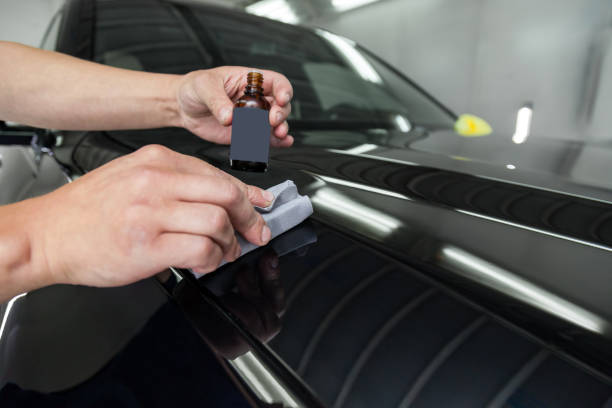
                      So, you’ve just had your prized possession treated with a protective layer of ceramic coating, perhaps after considering the cost of ceramic coating or seeking the best car ceramic coating service in Chester. Congratulations! Your car is now poised to shine with unparalleled brilliance and enjoy a heightened level of protection. But, as a beginner in the world of ceramic coatings, you may wonder, what’s next? How do you ensure your investment remains pristine? In this comprehensive guide, we’ll explore the essential tips and tricks for caring for a ceramic coated car. From the advantages of ceramic coating to the first wash after ceramic coating, we’ve got your back.

                      1, The Advantages of Ceramic Coating – Exploring Ceramic Coating Benefits

                      Before diving into maintenance tips, it’s crucial to understand the advantages of ceramic coating for cars:

                      • Unmatched Protection: A ceramic coated car benefits from a durable shield, offering unmatched protection against UV rays, oxidation, and environmental contaminants. This protective layer acts as a barrier against minor scratches and swirl marks.

                      • Enhanced Aesthetics: The aesthetics of a ceramic coated car are elevated, showcasing an unparalleled level of gloss and depth. It boasts a coveted “wet look” while preserving its original color.

                      • Ease of Cleaning: The hydrophobic properties of a ceramic coated car make cleaning incredibly easy. Water and dirt bead up and roll off the surface, reducing the effort required for washing.

                      • Longevity: Unlike traditional wax or sealants, ceramic coatings can extend the longevity of your ceramic coated car for years with proper care, making cost of ceramic coating a cost-effective choice for lasting protection.

                      2, Maintaining a Car with Ceramic Coating – Essential Maintenance Tips

                      Now, let’s delve into the core of caring for your ceramic coated car:

                      • First Wash After Ceramic Coating: Your first wash after ceramic coating is critical. Wait at least seven days to allow the coating to cure fully. Use a gentle car shampoo, a soft wash mitt, and the two-bucket method to minimize the risk of scratching.

                      • Use a Ceramic Coating Maintenance Spray: To maintain the hydrophobic properties and shine of your ceramic coated car, consider using a dedicated ceramic coating maintenance spray. This spray enhances the coating’s longevity and gloss, ensuring your car continues to turn heads.

                      • Regular Washing: Wash your car regularly, ideally every two weeks, to remove contaminants and keep it looking its best. Avoid automatic car washes with harsh brushes, as they can damage the coating.

                      • Pressure Wash with Caution: While you can pressure wash a ceramic coated car, use low to medium pressure to prevent potential damage. Maintain a safe distance between the nozzle and the car’s surface.

                      • Avoid Abrasive Cleaning: Stay away from abrasive cleaning methods or harsh chemicals that can compromise the coating’s integrity. Opt for pH-balanced car shampoos and microfiber towels for a gentle touch.

                      • Precautions After Ceramic Coating – Post-Coating Care

                      3, Precautions After Ceramic Coating – Post-Coating Care

                      After ceramic coating your car, some precautions are essential:

                      • Avoid Water Spots: To prevent water spots, dry your car completely after washing, preferably using a high-quality drying towel or a blower. Water spots can mar the coating’s appearance.

                      • Keep the Car Sheltered: Whenever possible, park your ceramic coated car in a shaded area or garage to shield it from the sun’s intense rays. This helps maintain the coating’s longevity and prevents potential heat damage.

                      • Regular Inspection: Conduct regular inspections to spot any contaminants or issues. Promptly address any concerns to ensure the coating’s continued effectiveness.

                      • What Not to Do After Ceramic Coating – Common Mistakes to Avoid

                      4, What Not to Do After Ceramic Coating – Common Mistakes to Avoid

                      To protect your ceramic coating investment, here are some crucial mistakes to avoid:

                      • Unmatched Protection: A ceramic coated car benefits from a durable shield, offering unmatched protection against UV rays, oxidation, and environmental contaminants. This protective layer acts as a barrier against minor scratches and swirl marks, ensuring the long-lasting beauty of your ceramic coated car.

                      • Enhanced Aesthetics: The aesthetics of a ceramic coated car are elevated, showcasing an unparalleled level of gloss and depth. It boasts a coveted “wet look” while preserving its original color, making your ceramic coated car a head-turner.

                      • Ease of Cleaning: The hydrophobic properties of a ceramic coated car make cleaning incredibly easy. Water and dirt bead up and roll off the surface, reducing the effort required for washing and maintaining the pristine appearance of your ceramic coated car.

                      • Longevity: Unlike traditional wax or sealants, ceramic coatings can extend the longevity of your ceramic coated car for years with proper care, making them a cost-effective choice for lasting protection and the ultimate peace of mind.

                      Conclusion

                      In conclusion, caring for a ceramic coated car is an investment in both aesthetics and protection. The advantages of ceramic coating are evident in the unparalleled shine and long-term safeguarding it provides for your vehicle. To ensure your investment stands the test of time, it’s crucial to follow a few simple yet vital steps.

                      Beginning with the first wash after ceramic coating, exercise caution to prevent any potential scratches. Utilize a dedicated ceramic coating maintenance spray to maintain the hydrophobic properties and gloss of the coating, which make cleaning a breeze. Regular washing, conducted gently with the right tools, helps remove contaminants and maintain your car’s appearance.

                      However, it’s equally important to avoid some common mistakes. Harsh chemicals, abrasive cleaning methods, and neglecting maintenance can diminish the coating’s effectiveness. Promptly address any damages or issues, and keep your car sheltered when possible to prolong the life of the coating. By adhering to these guidelines and understanding the precautions after ceramic coating, you can ensure that your ceramic coated car remains a shining symbol of pride and protection. With proper care, your vehicle will continue to turn heads and delight you for years to come. So, embark on this journey of automotive excellence, and enjoy the enduring benefits of ceramic coating. Your car deserves nothing less.


                      FAQs:


                      Q1: How do you maintain a ceramic coated car?

                      To maintain the pristine appearance and protection of a ceramic coated car, follow these steps diligently. Begin with regular washing using a gentle car shampoo and a soft wash mitt. Enhance the coating’s longevity and shine with a ceramic coating maintenance spray. Avoid abrasive cleaning methods, harsh chemicals, and automatic car washes with brushes, as they can harm the coating. Whenever possible, shelter the ceramic coated car and ensure thorough drying after each wash to prevent water spots, preserving the lasting beauty of your investment.

                      Q2: What precautions should you take after ceramic coating a car?

                      After applying ceramic coating to your car, patience and care are essential. Wait at least seven days for full curing before the first wash. When washing, choose a gentle car shampoo and a maintenance spray designed for ceramic coated cars. Steer clear of harsh chemicals and conduct regular inspections to promptly address any concerns. Protect your investment by parking the car in shade or a garage to shield it from the sun. Always ensure thorough drying to prevent water spots, maintaining the flawless appearance of your ceramic coated car.

                      Q3: What should you not do after ceramic coating a car?

                      Avoid these common pitfalls after ceramic coating to preserve your investment. Never neglect regular maintenance, including gentle washing with suitable products. Say no to abrasive cleaning methods and harsh chemicals that can compromise the coating’s effectiveness. Automatic car washes with brushes should be avoided. Don’t skip the drying process, as water spots can diminish the gloss of your ceramic coated car. Lastly, address any damages or issues promptly to prevent contaminants from compromising the integrity of the coating, ensuring long-lasting protection and the enduring beauty of your ceramic coated car.

                      Essential Tips to Maintain a Car after Detailing

                      Maintain a Car

                      Once you’ve indulged your beloved vehicle with the pinnacle of care, such as the remarkable automobile interior detailing in Kennett Square, the next mission on your automotive agenda is to safeguard its immaculate condition through the process of maintain a car. This mission holds even more significance when you’ve embraced the world of a ceramic coated car, a testament to both aesthetics and protection. In this comprehensive guide, we will unveil the core principles and offer invaluable insights into maintaining a ceramic coated car, ensuring it continues to shine as brilliantly as the day it received this remarkable treatment.

                      Proper maintenance begins with the art of gentle washing, which is essential when caring for a ceramic coated car. Using a mild car shampoo, a soft wash mitt, and the meticulous two-bucket method, you can minimize the risk of scratches or swirl marks on your precious ceramic coated car. After all, the goal of ceramic coating for cars is to achieve a showroom-level shine, and proper washing techniques play a pivotal role in preserving it.

                      Embracing protective measures is another key aspect of maintaining a ceramic coated car. These measures act as an additional layer of defense against the daily onslaught of environmental elements. By applying a high-quality car wax or sealant, you enhance your ceramic coated car’s exterior protection, ensuring it remains gleaming and shielded from harm. Additionally, investing in a robust car cover is a wise strategy to safeguard your ceramic coated car from UV rays, rain, dust, and other potential adversaries.

                      1, Mastering Proper Car Washing Techniques – Car Washing After Detailing

                      Maintaining a car after detailing requires finesse, and it all begins with understanding the intricacies of proper car washing techniques:

                      • Rinsing for a Pristine Look: As the initial step, rinse your vehicle thoroughly using a hose. This is essential to Maintain a Car. The aim here is to eliminate any loose dirt and debris from the surface, thus preventing them from causing scratches while washing.

                      • Choosing the Ideal Products: To Maintain a Car in its best condition, invest in a top-notch, pH-balanced car shampoo. Pair it with a soft and gentle microfiber wash mitt to ensure that your car’s finish is well-preserved. It’s important to avoid using common household detergents, as they can strip off the wax and pose a threat to your car’s overall aesthetic appeal.

                      • The Art of Gentle Cleaning: Whether it’s your first time or you’re an experienced car enthusiast, always adopt a gentle touch while cleaning your car through ultimate car cleaning. Starting from the top and working your way down, employ either vertical or horizontal motions to Maintain a Car. Avoid circular motions, as they tend to leave behind unsightly swirl marks.

                      • A Thorough Rinse Once More: After you’ve completed the washing process, rinse the car again to Maintain a Car. This ensures that all traces of soap residue are completely removed, leaving no room for unsightly streaks on your vehicle’s surface.

                      • Drying with Care: The final step in this car-washing ballet is drying. Use a clean, soft microfiber drying towel, and gently pat the car dry rather than rubbing it to Maintain a Car. Pay special attention to seams and crevices, where water might linger, as this can lead to potential damage.

                      2, Implementing Regular Maintenance – Car Maintenance Checklist

                      To Maintain a Car’s exceptional condition post-detailing, you’ll need to establish a comprehensive car maintenance checklist:

                      • Fluid Levels Monitoring: Keeping an eagle eye on your car’s fluid levels is a key aspect of maintaining it. Check the oil, coolant, brake fluid, and other essential fluids regularly to Maintain a Car at its best. Low fluid levels can lead to engine damage and overheating, potentially compromising your car’s performance.

                      • Air Filters: Breath of Fresh Air: Regularly inspect and replace air filters as needed to Maintain a Car. Clean air filters contribute to enhanced fuel efficiency and improved engine performance, ensuring that your car remains in peak condition.

                      • Tire TLC: Maintain proper tire pressure and regularly assess tread depth to Maintain a Car. Appropriate tire care is vital for safe driving, optimal handling, and efficient fuel consumption.

                      • Caring for the Interior: Upholstery and interior surfaces deserve just as much attention as the exterior. Regularly clean and condition the interior to Maintain a Car. This involves thorough vacuuming of carpets and upholstery, meticulous surface wiping, and the application of leather or fabric protectants to preserve their longevity.

                      • The Exterior’s Shield – Waxing: To Maintain a Car’s showroom shine, waxing every few months is imperative. Wax not only enhances the aesthetic appeal of your car but also acts as a protective shield against UV rays and the harmful impact of contaminants.

                      3, Embracing Protective Measures -Best Car Protection

                      Protecting your car post-detailing is akin to investing in its future. Here are the protective measures you can adopt to Maintain a Car that looks stunning:

                      • Sealants and Coatings: Consider applying a high-quality paint sealant or ceramic coating to protect your car’s exterior and Maintain a Car. These products establish a resilient barrier against UV rays, environmental contaminants, and minor scratches, ensuring that your car’s exterior remains in impeccable condition.

                      • Interior Guardians: Preserving your car’s interior beauty is equally essential. Implement protective measures such as using seat covers and floor mats to Maintain a Car. These accessories serve as a line of defense against spills, dirt, and everyday wear and tear, extending the life of your car’s original upholstery.

                      • The Power of Shelter: Whenever possible, park your car in a shaded area or a garage to Maintain a Car. Shielding it from the relentless assault of sunlight and adverse weather conditions prevents premature paint fading and interior heat damage.

                      • Car Covers for Extra Care: To Maintain a Car that looks flawless, especially during extended periods of inactivity, consider investing in a fitted car cover. These covers offer an added layer of protection against dust, debris, and the unpredictability of the elements.

                      4, Nurturing Your New Car – Best Treatment for New Car

                      For those fortunate enough to own a new car, here are the best practices to Maintain a Car that retains its showroom glory:

                      • Commence with an Initial Detailing: To set a solid foundation for maintenance, schedule an initial detailing session for your new car to Maintain a Car. This not only enhances its appearance but also establishes a protective layer for future care.

                      • Shield with Paint Protection: For added protection against road hazards, consider applying a paint protection film (PPF) or clear bra to vulnerable areas such as the front bumper, hood, and side mirrors. PPF shields your car’s paint from rock chips and scratches, safeguarding its pristine look.

                      • Consistent Care for Perfection: To Maintain a Car that looks new, make regular washing and waxing a habit. Prioritize preserving the factory finish, as consistent care plays a pivotal role in extending the life of your car’s paint and preserving its brand-new appeal.

                      5, Understanding Types of Car Maintenance – Types of Car Maintenance

                      A fundamental aspect of maintaining a car is understanding the various types of car maintenance to Maintain a Car:

                      • Preventive Maintenance: This category revolves around regular inspections and services designed to prevent issues before they occur to Maintain a Car. Tasks such as oil changes, filter replacements, and tire rotations fall under preventive maintenance.

                      • Corrective Maintenance: Corrective maintenance encompasses repairs and fixes intended to address specific problems and Maintain a Car. Promptly addressing issues as they arise is crucial to prevent further damage.

                      • Predictive Maintenance: An advanced form of maintenance, predictive maintenance, relies on data and monitoring systems to anticipate potential issues to Maintain a Car. It enables you to stay ahead of problems and minimize unexpected downtime.

                      • Reactive Maintenance: Reactive maintenance involves addressing problems as they arise to Maintain a Car. While not ideal, reacting promptly to unexpected issues is essential to prevent further damage and maintain overall vehicle reliability.

                      Conclusion

                      Maintaining a car after detailing is not just a responsibility; it’s a testament to your dedication as a car owner. Ensuring that your investment in automobile interior detailing in Kennett Square retains its value requires commitment to these principles. By mastering proper car washing techniques, implementing a thorough car maintenance checklist, and embracing protective measures to Maintain a Car, you can rest assured that your vehicle will continue to turn heads, embodying the essence of timeless beauty. Consistent care and attention are the keys to a long-lasting, pristine vehicle, one that will accompany you on countless memorable journeys. So, roll up your sleeves and embark on this journey of preserving your car’s allure for years to come.


                      Faqs

                      Q1: How do you take care of a car after detailing?

                      Taking care of a car after detailing or best car detailing tips involves regular maintenance and protective measures. After detailing, ensure you follow a consistent washing routine using quality car shampoo to remove dirt without harming the finish. Apply protective coatings like paint sealants or ceramic coatings to maintain the exterior’s shine and shield it from environmental damage. Implement scheduled maintenance by checking fluid levels, air filters, and tire care to ensure optimal performance. Protect the interior with seat covers and mats, and consider parking in shaded areas or using a car cover. Consistency is key, as it preserves the detailing work and keeps your car looking its best.

                      Q2: How do you wash a detailed car?

                      Washing a detailed car requires a delicate approach to avoid damaging the intricate detailing work. Start with a light rinse to remove loose dirt and debris. Use a high-quality car shampoo with a balanced pH and a soft microfiber wash mitt to gently cleanse the vehicle. Apply light pressure during washing, focusing on detailed areas. Thoroughly rinse the car to eliminate soap residue, ensuring the detailed sections are entirely clean. When drying, use a clean, soft microfiber towel and pat the car dry to prevent potential harm to the detailing. This careful process maintains the car’s appearance while safeguarding the detailing craftsmanship.

                      Q3: Can I use shampoo to wash my car?

                      While using regular household shampoo is possible for washing your car, it’s not recommended. Household shampoos are not designed for automotive paint and may strip off wax or protective coatings, potentially dulling the finish. Car shampoos, specifically formulated for automotive use, are preferred. They have a balanced pH, effectively remove dirt, and are gentle on the vehicle’s paint. Car shampoos leave behind a streak-free finish and help preserve protective coatings, ensuring your car maintains its shine and protection. To maintain your car’s appearance and finish, it’s advisable to use a dedicated car shampoo for optimal results and protection.